A Bay Area High School for Teens with Dyscalculia

Struggling with math doesn’t mean math can’t make sense. Sometimes it just needs to be taught differently.

Individualized math instruction, calculator access in every class, and a community where different learners are the norm.

Struggling with math doesn’t mean math can’t make sense. Sometimes it just needs to be taught differently.

Holden High School is a small, relationship-based, therapeutically-informed learning community in Orinda, CA — minutes from BART, serving families across the East Bay and Bay Area. In our 56th year, we’ve built a school designed for exactly this student: capable teens with dyscalculia who are bright and motivated — and who have spent years associating math with anxiety, failure, and falling behind.

Our 5:1 student-to-teacher ratio, individualized math instruction, calculator access and manipulatives available in every class, and two credentialed on-site learning specialists create the conditions where students with dyscalculia slow down enough to build genuine understanding — and discover that math was never the problem.

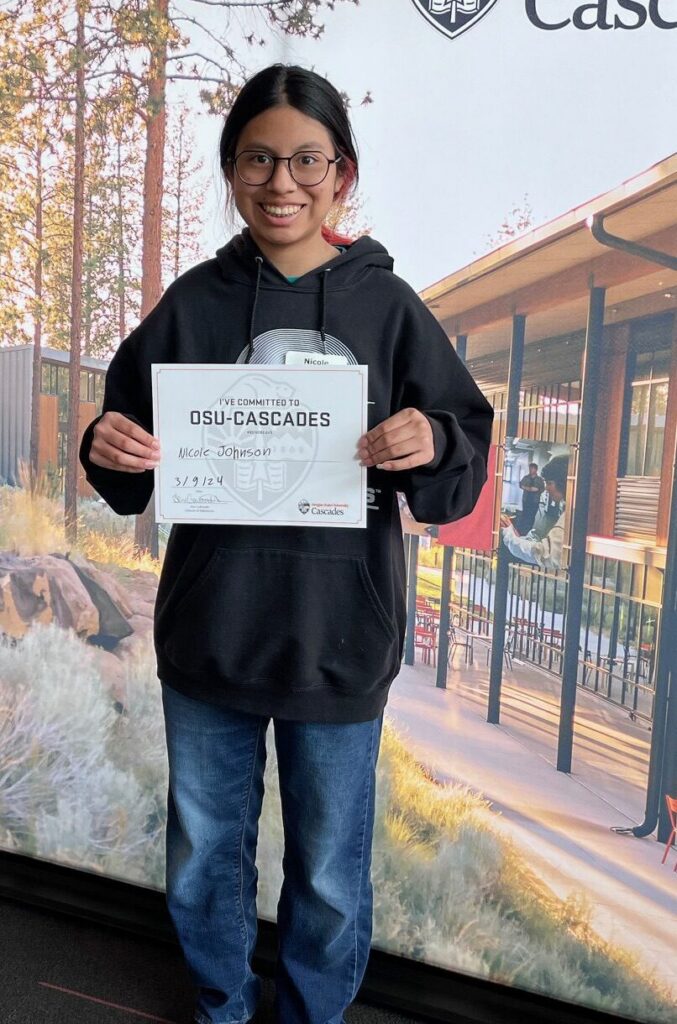
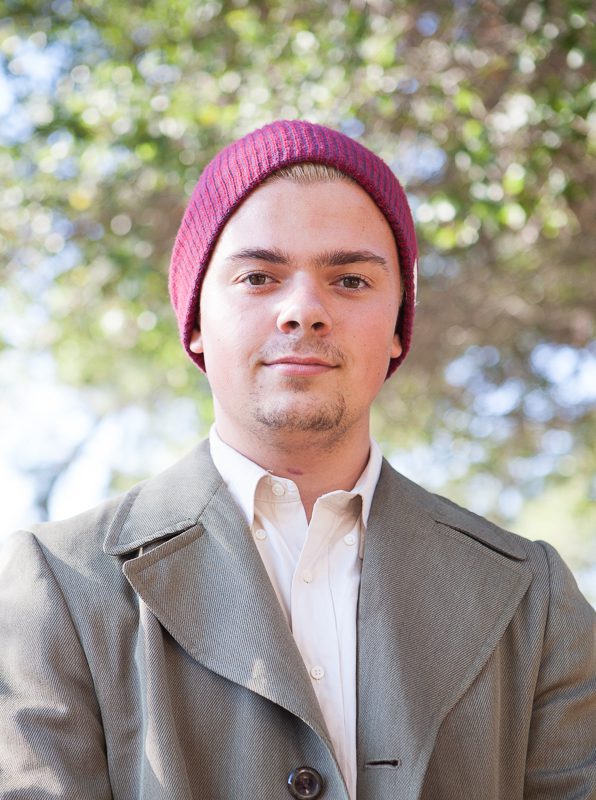
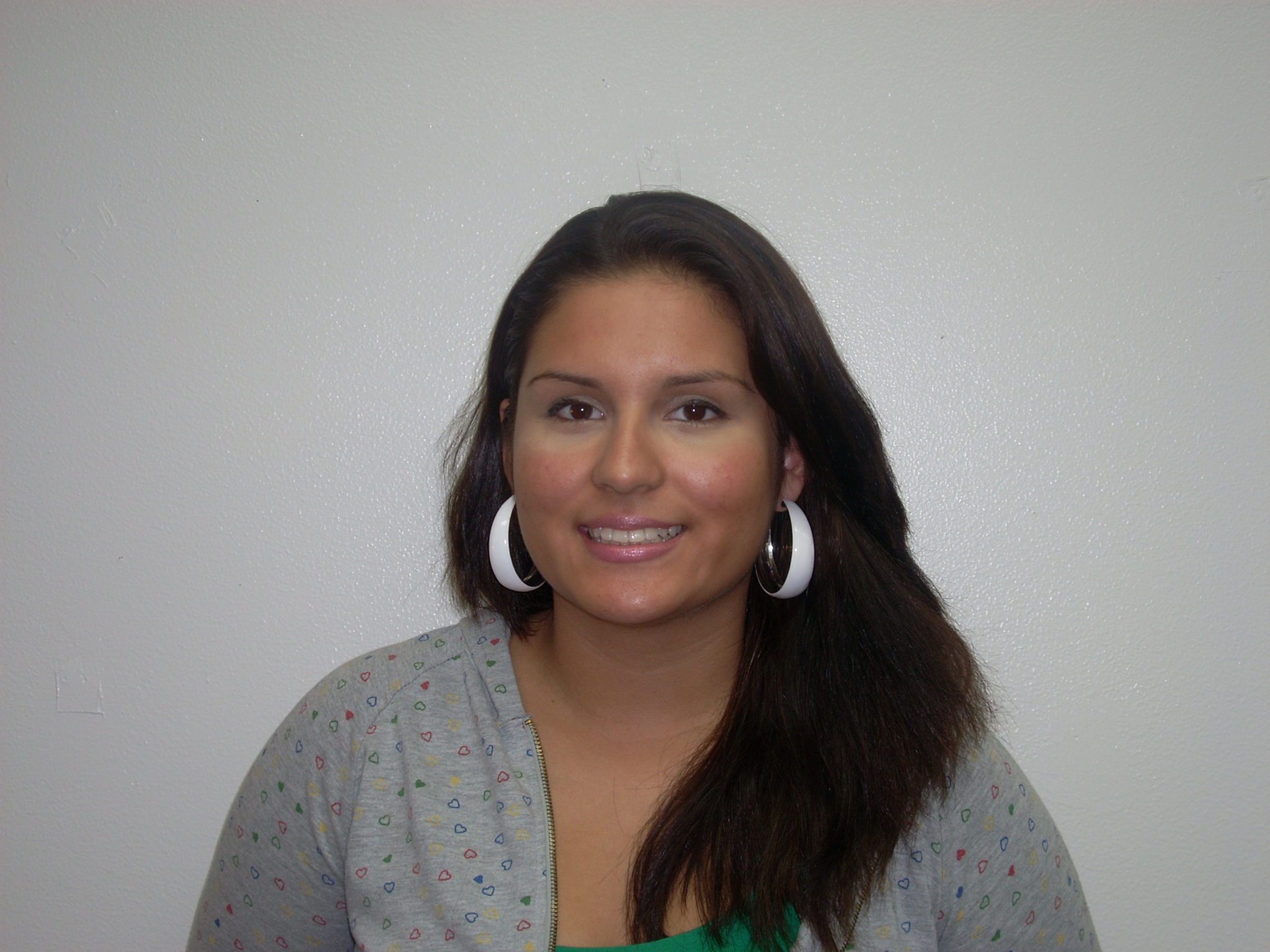
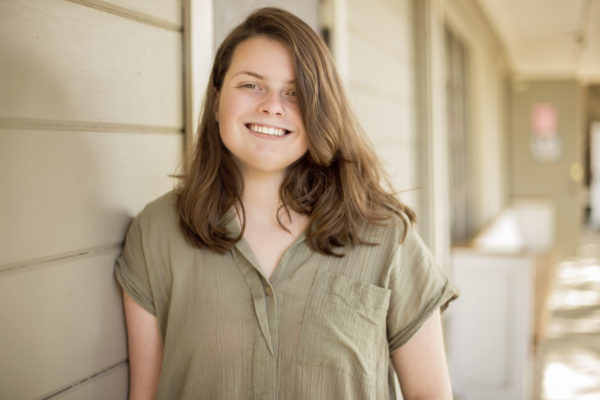
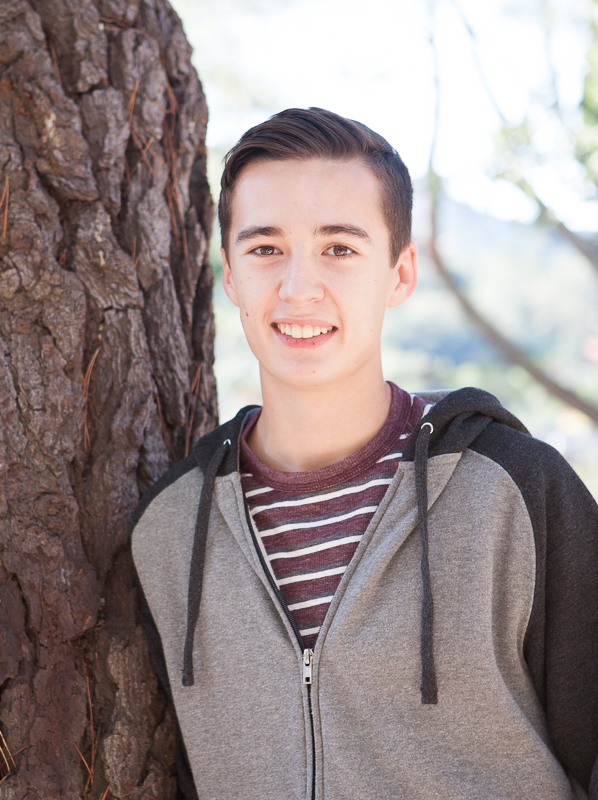
Holden helped me learn how to manage my difficulty with math, not second guess myself, and learn that it’s okay to ask for help. Without Holden I would never have been able to make the transition to Oregon State University-Cascades.

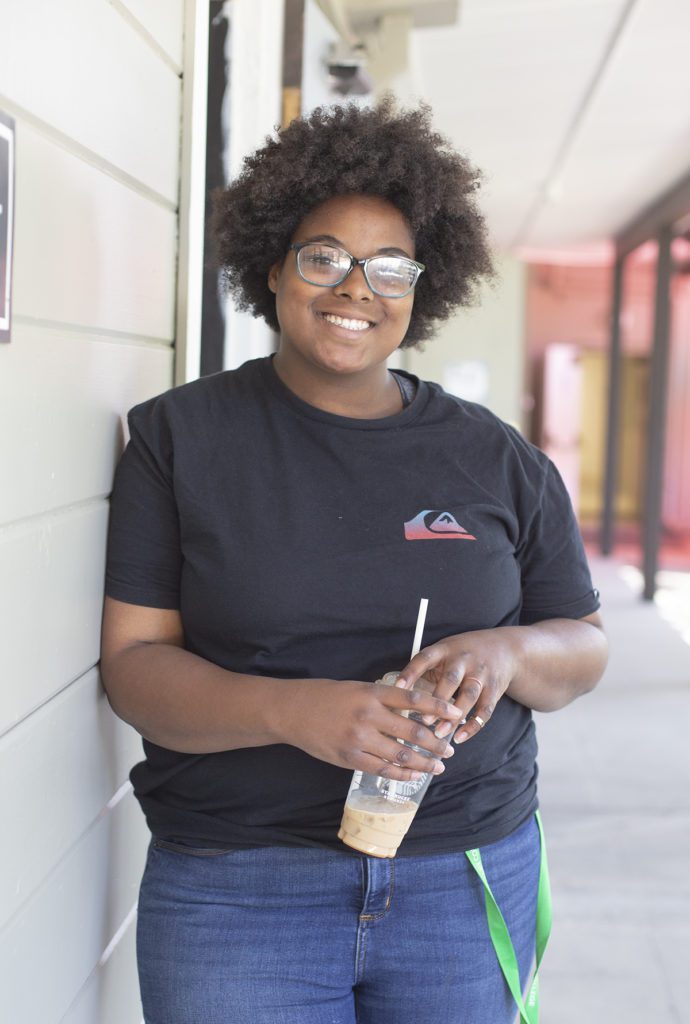
Holden High School cured my math blindness and taught me sign language. I plan to go to DVC, where I want to take horticulture classes.

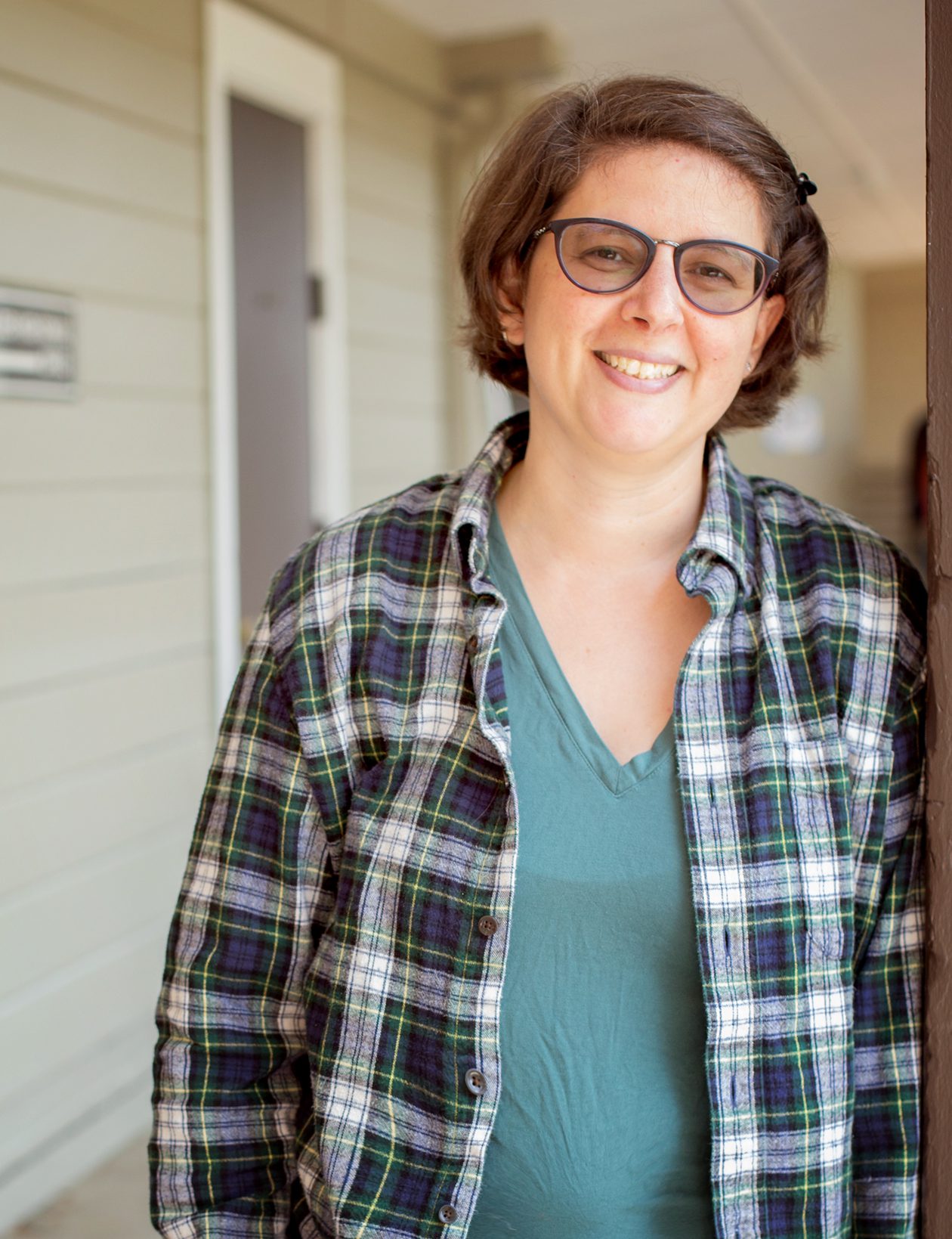
Our Dyscalculia Support Team: Learning Specialists

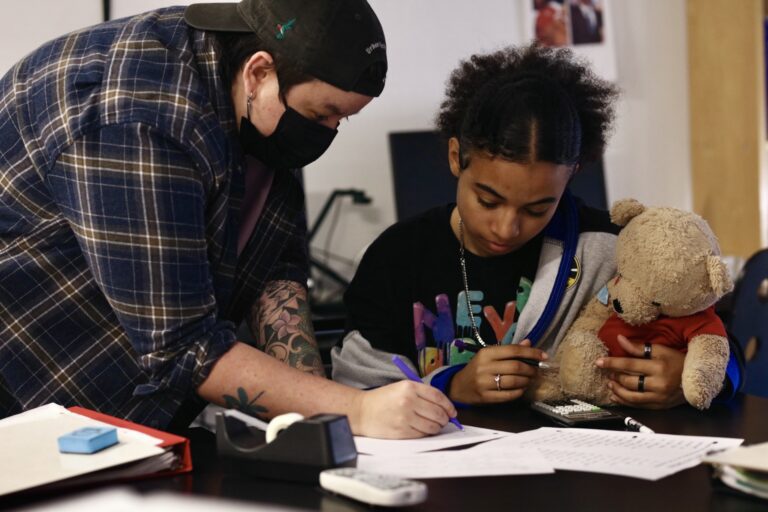
Students with dyscalculia thrive in our small math classes with our patient, non-judgemental, supportive teachers. They succeed because they feel safe to ask questions, concepts are explained in concrete ways, they are appropriately accommodated, and assignments are tailored to meet their individual needs. There are few greater joys then when a student finally understands a math concept they’ve been struggling with for years.

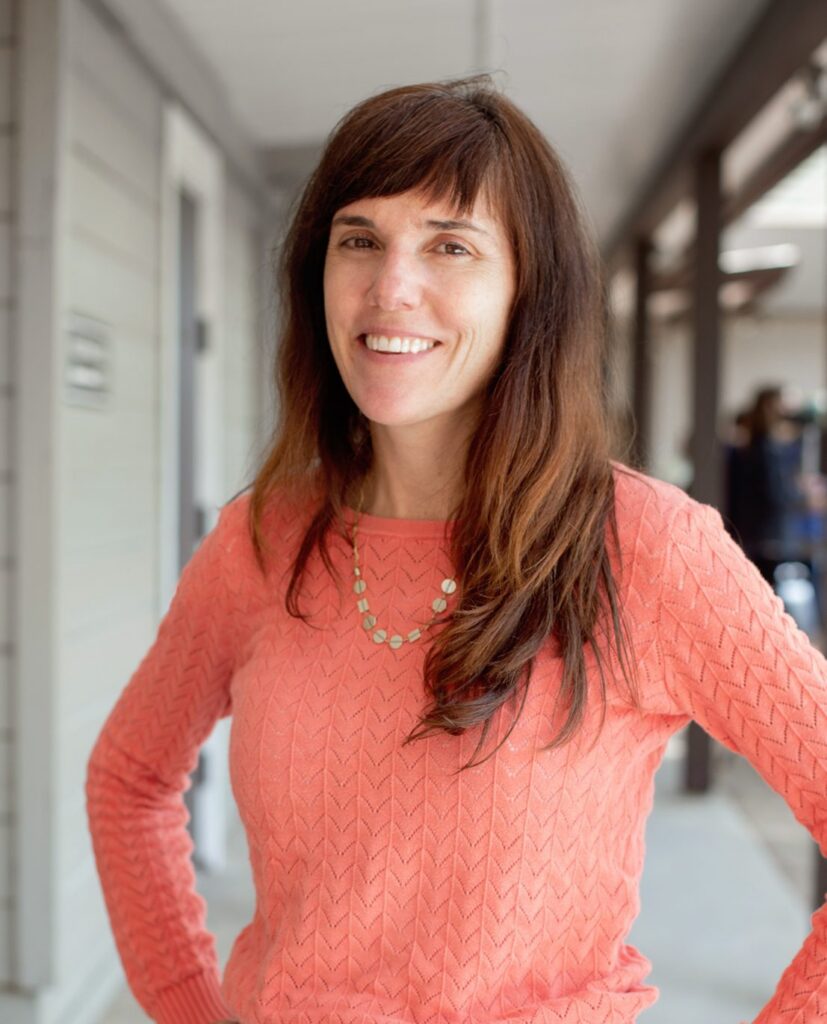
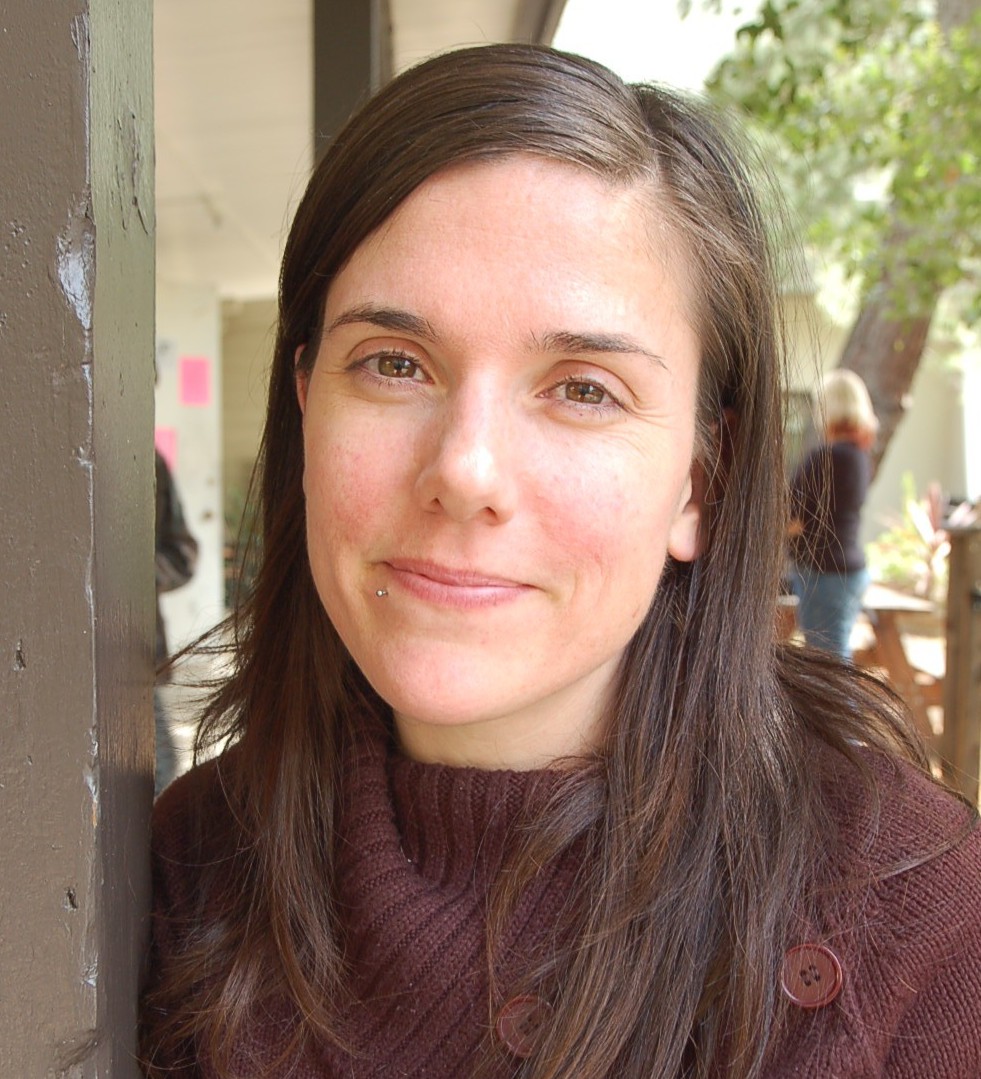
– Abby Tuttle, MA — credentialed Education Specialist (Mild to Moderate), Director of Learning Support 

 

Co-Director Abby Tuttle is a credentialed Education Specialist. She holds with a Master’s degree in Special Education, with an emphasis in mild-to-moderate learning disabilities. Abby has worked directly with students with dyslexia throughout her career at Holden.

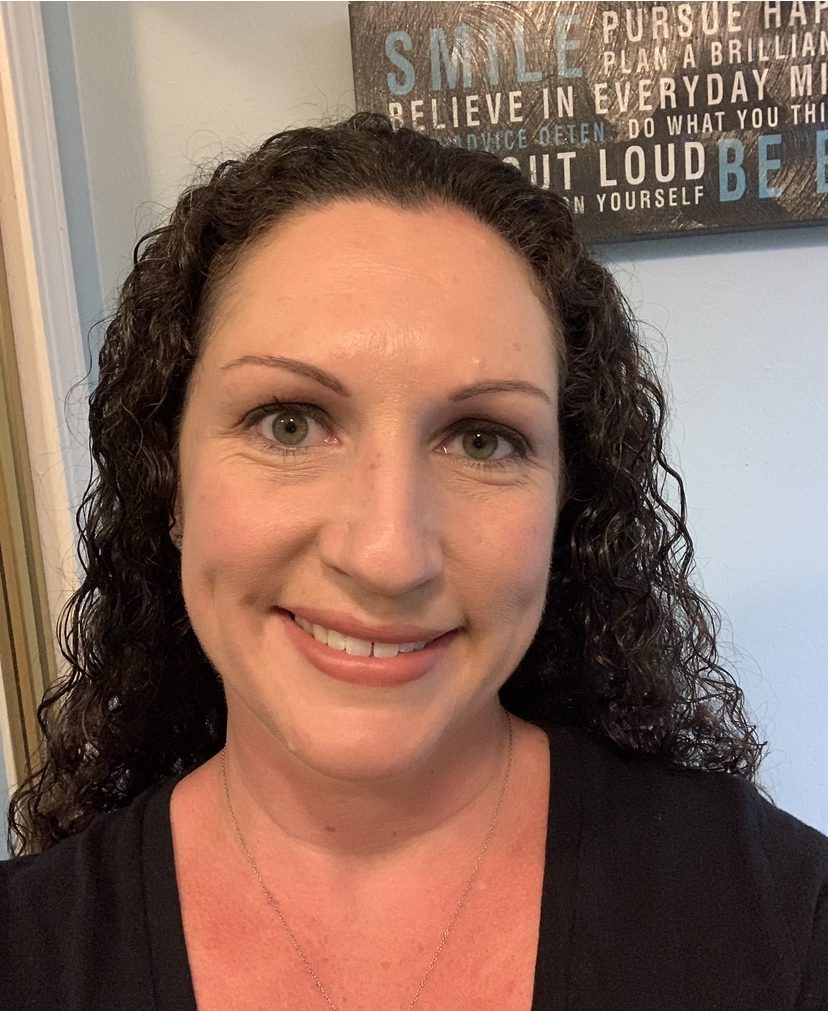
Amy Barrow is Holden’s part-time Learning Specialist. She holds a Mild to Moderate Education Specialist credential.

Together, our Learning Specialists train all classroom teachers on dyscalculia-specific accommodations, direct instruction strategies, and evidence-based interventions targeting math fact fluency and number sense — so support isn’t siloed in one room. It’s built into how every math class at Holden is taught.

For a broader overview of how Holden supports students with learning differences, visit our → Learning Differences page.

Program Features

How Holden Works for Students with Dyscalculia

We don’t rush students through a math curriculum that isn’t designed for how their brain processes numbers. Instead, we slow down, strengthen foundational skills, and build understanding step by step.

8:1 Student-Teacher Ratio

At Holden, every teacher knows every student: their strengths, their learning style, and where they need support. With a maximum of eight students per class, teachers can pivot, reteach, and scaffold as needed. There’s space to ask questions, get 1-1 help, individualized workload, and stay engaged.

At Holden, math classes are organized around the specific skills students are developing — not grade level or age. Students with dyscalculia aren’t placed in classes where they feel behind; they’re placed in classes that meet them exactly where they are. That shift alone can significantly reduce math anxiety and rebuild confidence.

We meet students where they are.


Calculators and manipulatives aren’t accommodations students have to request — they’re standard tools in every classroom. Students who have been discouraged from using calculators often find that removing the arithmetic barrier allows them to engage with higher-level math concepts. Hands-on materials help make abstract ideas visible, interactive, and easier to understand.

At Holden High School, accommodations aren’t something families have to push for — they’re part of how we teach. All students receive extra time for assignments, adjusted problem sets, and opportunities for 1-1 support.

We recognize that dyscalculia increases cognitive load — math often takes more time and sustained effort. That’s why reduced problem sets and flexible timing on assignments and assessments are part of our standard approach. Students are evaluated on their understanding, not their speed or endurance.

Our teachers use evidence-based direct instruction alongside metacognitive strategies that support how students with dyscalculia learn best. Rather than repeating the same approach, we help students understand how they process numbers — and give them practical strategies to work with their own thinking more effectively.

Many students with dyscalculia have spent years feeling like the most confused person in the room. At Holden, a significant portion of students have diagnosed learning differences. Everyone is working on something — and that shared understanding creates a more supportive, less isolating experience. Struggling with math doesn’t set students apart here; it’s something they work through alongside peers who truly understand.

Our students have spent years feeling like they don’t quite fit — too much, too quiet, too distracted, too different. At Holden, differences aren’t something to manage; they’re something we understand. With many students navigating learning differences, our culture is built around acceptance, flexibility, and respect. We use a research-based curriculum, but just as importantly, the community itself creates a strong sense of belonging.

Holden is WASC-accredited — the same accreditation held by most California public and private high schools. Our students go to college. We work with every student on post-high school transition throughout their four years. Counseling, family meetings, grade level Advisories, and college prep electives support students researching and applying to 2yr/4yr college, vocational programs, entry level positions, gap years, and career training.

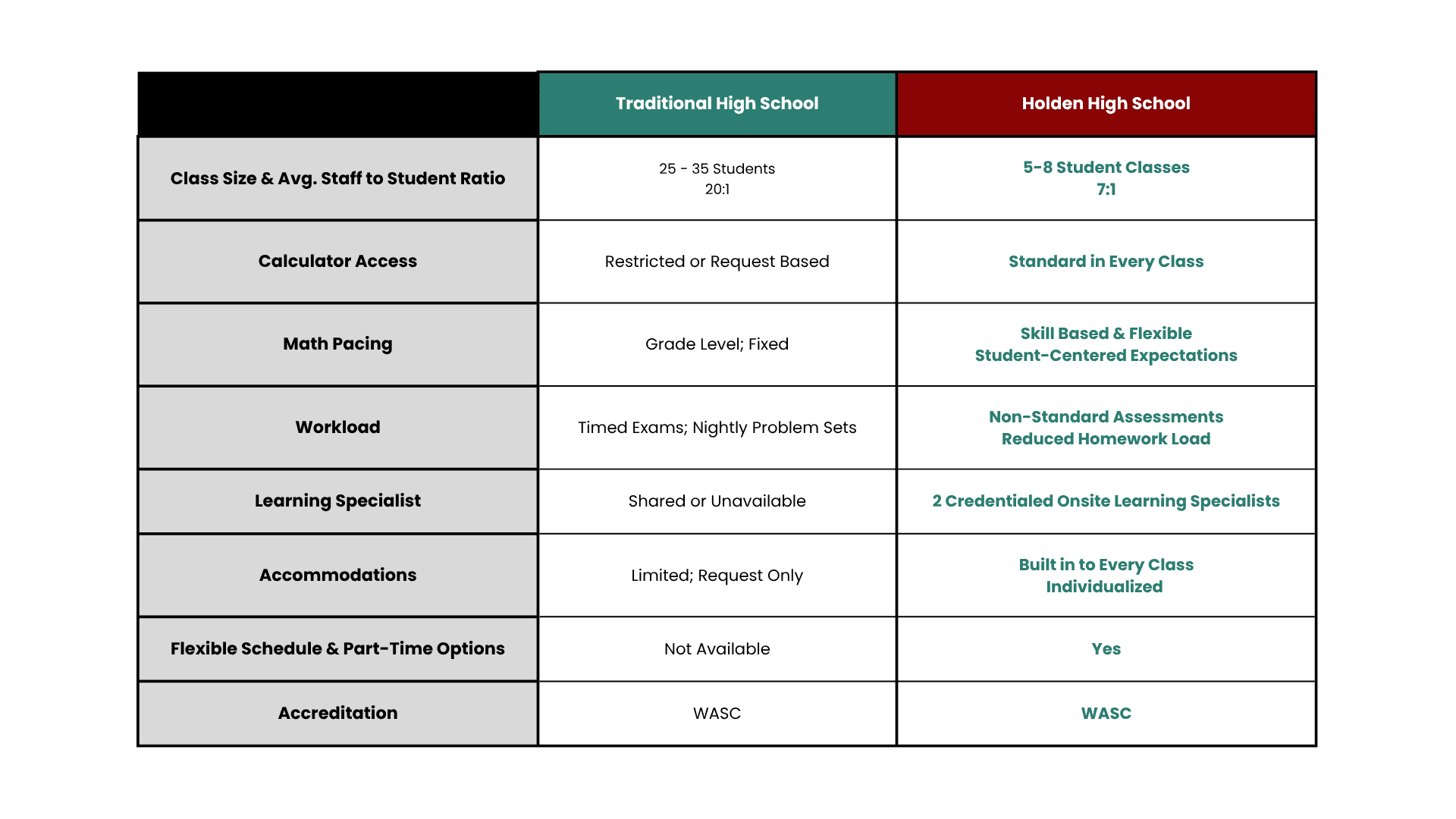
How Holden Compares to A Traditional High School

Serving Students Across the Bay Area

Holden is located at 10 Irwin Way in Orinda, CA — a 5-minute walk from Orinda BART on the Yellow Line. We serve families from across the East Bay and Bay Area, including:


About 56% of our families come from Alameda County, 41% from Contra Costa County.

By BART from Oakland or Berkeley, the commute is under 30 minutes.

Is Holden the Right School for Your Teen?

The students who do best at Holden are capable teens with dyscalculia who need a physical school — not a 1:1 tutoring program, not an online school, not a therapeutic placement — and who are ready to be part of a small community. Specifically:

Holden works well when your teen:

  • Has dyscalculia and is academically capable and/or gifted but underperforming — especially in math — because the pacing and tools of traditional school don’t match how their brain processes numbers
  • Needs a physical school with real peers, real teachers, and genuine community
  • Can engage in small group learning for 3–5 days per week, even on hard days
  • Has experienced math anxiety, avoidance, or shame — but has some readiness to try again in a different environment
  • May also have ADHD, dyslexia, or anxiety alongside dyscalculia (common co-occurrence)

Holden may not be the right fit if your teen:

  • Is in active mental health crisis or needs intensive therapeutic intervention before returning to school
  • Requires exclusively 1:1 instruction
  • Needs intensive autism specific programming (ABA, structured communication support, etc.)
  • Is not yet willing to try — even a little. Parent-only motivation rarely works here.

Not sure if that’s your teen? Call us.

We talk to families every day who aren’t certain, and that conversation is free, takes 15 minutes, and usually answers the question.

Ready to see if we’re the right fit? Click the button above to schedule a call, tour, or visit day.

Tours Monday-Friday; Rolling Admissions & Rolling Tuition Assistance.

We enroll throughout the year, not just in September.

Frequently Asked Questions About Holden

How Holden Works

What is the application and admissions process?

The process is designed to be simple and easy for families to navigate. It starts with a conversation — a 20-minute admissions call with our team. From there, we’ll invite you and your teen for a 35-45 minute tour of the school. After that, your teen will be invited for a Visit Day so they can experience Holden before deciding. The online application includes a short form, school records, a writing sample, teacher recommendation form (prospective 9th grade applicants only), and learning assessments (if applicable) .

Because we have rolling admissions, there’s no deadline — you can apply any time of year, including mid-semester. The timeline between application submission and admission notification is typically 1–2 weeks, except for prospective 9th graders, whose admissions timeline differs.

Use the button above to call us or reach us via email admissions@holdenhigh.org

Holden serves teenagers who are bright and academically capable but haven’t thrived in traditional school. Most of our students have ADHD, learning differences (including dyslexia, dysgraphia, and dyscalculia), anxiety, or depression. Many identify as LGBTQ+ (about 38% of our community) and many are neurodivergent in ways that made them feel like outsiders in mainstream settings.

What they share is a desire for a community where they belong and a school that works for their brain.

Yes — and it’s built into our 10am-start school day, not treated as a special accommodation families have to request.

Our embedded study skills and executive functioning support include: teacher scaffolding, flexible deadline structures, and weekly check-ins to address the planning, organizing, EF tutoring/electives, and task-initiation challenges that are central to ADHD.

Our two credentialed Learning Specialists  train all classroom teachers on ADHD-specific strategies and coach students in self-advocacy.

Yes — and it’s built into our 10am-start school day, not treated as a special accommodation families have to request.

Our embedded study skills and executive functioning support include: teacher scaffolding, flexible deadline structures, and weekly check-ins to address the planning, organizing, EF tutoring/electives, and task-initiation challenges that are central to ADHD.

Our two credentialed Learning Specialists  train all classroom teachers on ADHD-specific strategies and coach students in self-advocacy.

Yes. Our therapeutic support is built into the school week, not an add-on. Every student participates in either a weekly 50-minute one-on-one counseling session with a licensed Marriage and Family Therapist or supervised MFT Associate, or in a weekly therapeutic group led by our Clinical Director.

Holden also offers family therapy, a parent support group, and coordination with outside therapists and psychiatrists when needed.

Holden is not a therapeutic day school or residential program — we’re a trauma-informed, strengths-based learning community where counseling, relationships, and academics work together to support students’ growth. If a student is in active mental health crisis, we will help families think through the level of care and support that may be needed. Stop-outs are available for short term student crises.

Our students travel from across the East Bay and Bay Area. About half of families come from Alameda County (Oakland, Berkeley, Albany, Alameda, El Cerrito, Richmond) and half from Contra Costa County (Walnut Creek, Lafayette, Moraga, Danville, Orinda, Pleasant Hill, Concord, Antioch). We also have students from San Francisco and Marin. Holden is a 15-minute walk from Orinda BART, making the commute manageable from most Bay Area locations.

Yes. Holden is fully accredited by the Western Association of Schools and Colleges (WASC) — the same accreditation held by most California public and private high schools and colleges. Credits transfer fully, and Holden students apply to, and attend four-year universities, community colleges, and vocational programs.

Yes. Co-Director Abby Tuttle is a credentialed Education Specialist with a Master’s degree in Special Education (emphasis: mild-to-moderate learning disabilities). Holden also has an additional part-time Learning Specialist.

Together they train all teaching staff on ADHD accommodations, learning difference support, and differentiated instruction.

Yes, and we encourage it. Holden operates as a small, relationship-based, therapeutically-informed learning community — we consider ourselves a complement to outside mental health care, not a replacement. Our on-site counselors handle school-based support, parent communication, offer family therapy and parent support and coordination with outside providers. We’re happy to schedule coordination calls with your teen’s therapist or psychiatrist. 

Yes to both. Holden has rolling admissions and accepts students throughout the year — not just in September. We also offer flexible enrollment: many students start two or three days a week and build up gradually, which is especially common for students who are managing learning differences, mental health challenges, academic difficulty, or recovering from school refusal.

Click here to learn more about our full time program option.

Click here to learn more about our part time program option.

Yes. We welcome students with IEPs and 504 plans, and we actively support them from day one.

We start by listening — to students, families, teachers, and any existing documentation. From there, we put the right accommodations and modifications in place, and we differentiate instruction so the learning environment fits the student, not the other way around. Our 8:1 ratio means teachers know every student’s learning profile and can adapt in real time.

Every Holden student has access to advisory groups, homework labs, learning specialist and teacher office hours, individual and family counseling, study skills support, end-of-semester conferences, and academic support meetings — all included in tuition. Additional one-on-one tutoring is also available for an extra fee for families who want it.

Students with active IEPs:

Holden participates in IEP meetings — on-site or remotely — with your home district’s staff. We also hold end of year conferences with every student and family to review progress, strengths, and goals. These aren’t formal IEP meetings, but they serve the same spirit: making sure every student is seen, supported, and making progress on their goals.

Holden is not a certified NPS, but we have a track record of working with school districts — and we know how that process works.

Some districts have placed students with us directly. More often, families with documented disabilities are reimbursed by their home district for private school tuition. It’s not a simple process, but it’s more possible than many families realize. Districts that have provided financial support to Holden families in recent years include Berkeley Unified, Oakland Unified, Acalanes Union, John Swett, and Mt Diablo Unified.

If you’re exploring this route, reach out. We’re happy to share what we’ve seen work for families in your district.

Full tuition at Holden High School is $46,904 per yearProviding tuition assistance is an essential part of our school community and mission. Each year, we work hard to make Holden accessible to as many students as possible. 

About 55% of our families receive some form of tuition assistance, supported through school resources and generous community donations. Families who receive aid most commonly pay between $18,000 and $35,000 per year, depending on their financial circumstances. In some cases, families pay as little as $13,000, though this represents less typical situations.

Providing tuition assistance is extremely important to us. It allows students who truly need a school like Holden to enroll, regardless of their family’s financial background, and helps us maintain the diverse, supportive community that makes the school so special.

We also want to be transparent about how our program works. In general, our tuition assistance model works best for families who are able to contribute at least $13,000-$20,000 per year toward tuition. If your household income falls significantly below that range, we encourage you to reach out early so we can have an honest conversation about what may be possible.

Because every family’s financial situation is unique, tuition assistance awards are determined after we review a family’s application and supporting financial documents. Tuition can be paid annually, semi-annually, or through monthly payment plans.

If Holden feels like it could be the right fit for your teen, we encourage you to reach out. We’re always happy to talk through both the admissions process and tuition assistance options.

District funding:

Some families also explore reimbursement through their school district, particularly for students with documented disabilities or IEPs. This path requires persistence and isn’t guaranteed, but it’s navigable — see the NPS question above, or call us to talk through what it’s looked like for families in your district.

→Visit our Tuition Page for full details, or call us. We’d rather have a real conversation than have you guess.

Holden serves students in grades 9 through 12. Some students join us mid–high school (often in 10th or 11th grade) after realizing their previous school wasn’t the right fit, and our rolling admissions process allows us to accommodate transfers at any point during the school year.

Teen sleep cycles naturally shift later during adolescence, and lack of sleep can make attention, impulse control, and emotional regulation even harder for students with ADHD.

Holden’s 10:00 a.m. start time reflects what we know about how teens learn best — and it also allows students from across the Bay Area to commute by BART without a 06:00 alarm.

Teen sleep cycles naturally shift later during adolescence, and lack of sleep can make attention, impulse control, and emotional regulation even harder for students with ADHD.

Holden’s 10:00 a.m. start time reflects what we know about how teens learn best — and it also allows students from across the Bay Area to commute by BART without a 06:00 alarm.

Absolutely — and we encourage it. The best way to know if Holden is right for your teen is to visit. Tours are offered Monday through Friday and are about 45 minutes long. You’ll meet staff, see classes in session, and have every question answered.

Call (925) 254-0199, email admissions@holdenhigh.org, or use the button below to schedule a conversation, tour, or visit day.

Holden High Testimonial

Holden gave me a better understanding of myself and how I affect the world around me. It gave me direction, and guided my creativity.

Holden sweatshirt

Holden helped me feel confident enough to open up and share my ideas and opinions. I plan to enroll in community college for aviation and graphic design.

Schedule A Tour or Ask A Question

We talk to families everyday who aren’t sure if Holden is the right fit. That conversation is free, takes about 15 minutes, and usually answers the question.

We look forward to hearing from you! You can email us directly with inquiries at admissions@holdenhigh.org

Why Students Love Holden!

changing lives since 1969